The Complete GLP-1 Program Guide: How to Get Started
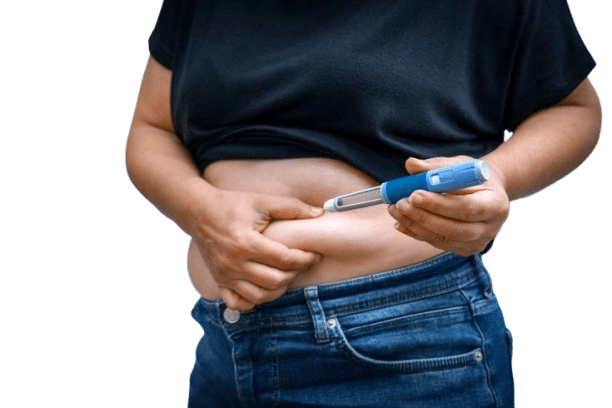
Starting a GLP-1 weight loss program in 2026 is more accessible than ever, with brand-name medications available through telehealth platforms for as low as $149 per month and a new Medicare program offering a $50 copay for eligible beneficiaries. The process typically involves a virtual consultation with a licensed provider, a prescription if you meet clinical criteria, and medication delivery through a partner pharmacy. This guide walks you through eligibility, the step-by-step process, costs, and what to expect on treatment.
Who Is a Good Candidate for GLP-1 Medications?
GLP-1 medications are recommended for adults with a body mass index (BMI) of 30 or higher, or a BMI of 27 or higher with at least one weight-related health condition such as high blood pressure, type 2 diabetes, or sleep apnea. They may also be appropriate for people who have not met weight-loss goals with lifestyle changes alone.
GLP-1 medications are not suitable for everyone. You should not use them if you have a personal or family history of medullary thyroid cancer, multiple endocrine neoplasia type 2 (MEN 2), a history of pancreatitis, severe stomach or bowel problems such as gastroparesis, or if you are pregnant or breastfeeding.
Step-by-Step: How to Start a GLP-1 Program
The process has become standardized across most telehealth platforms. Here is what to expect:
Step 1: Complete a Health Assessment
Most platforms begin with a short online questionnaire covering your medical history, current medications, BMI, and weight loss goals. This helps determine whether GLP-1 therapy is appropriate for you.
Step 2: Meet with a Licensed Provider
A board-certified physician or licensed provider reviews your assessment and discusses treatment options. Valid lab work completed within the last 3 months is often required before a prescription can be issued. The provider will confirm whether you meet clinical criteria and explain the risks, benefits, and alternatives.
Step 3: Receive Your Prescription
If you are eligible, the provider prescribes an FDA-approved GLP-1 medication. Options include injectable Wegovy or Zepbound, or oral Wegovy or Foundayo (orforglipron). Prescriptions can be sent to your local pharmacy or delivered directly to your door.
Step 4: Start Medication and Follow Up
You will begin at a low dose that increases gradually over several weeks to minimize side effects. Regular follow-up visits allow your provider to adjust dosing, manage side effects, and monitor your progress.
What Are Your Medication Options?
Several GLP-1-based medications are now FDA-approved for chronic weight management. The choice between injectable and oral formulations depends on your health goals, lifestyle, and personal preferences.
| Medication | Form | Frequency | Notes |
|---|---|---|---|
| Wegovy (semaglutide) | Injection | Weekly | Broader cardiovascular and kidney protection data |
| Zepbound (tirzepatide) | Injection | Weekly | Dual GIP/GLP-1 agonist; higher weight loss efficacy |
| Wegovy (oral semaglutide) | Pill | Daily | Strict dosing routine (empty stomach, wait 30 min) |
| Foundayo (orforglipron) | Pill | Daily | First non-peptide oral GLP-1; no food/water restrictions |
Injectable options generally offer higher weight-loss efficacy in clinical trials, while oral formulations offer a non-injectable alternative that fits into daily routines—especially for patients with lower BMIs or more modest weight-loss goals.
What Does a GLP-1 Program Cost in 2026?
Costs vary significantly depending on whether you use insurance or pay cash. Most employer plans and Medicare Part D do not cover GLP-1s for weight loss alone, making cash-pay programs the most reliable pathway.
Cash-Pay Pricing (Self-Pay)
| Program | Medication | Monthly Cost |
|---|---|---|
| GoodRx for Weight Loss | Ozempic/Wegovy | $199 (first 2 fills), then $349 |
| Amazon One Medical | Oral GLP-1s | $149 cash-pay |
| Amazon One Medical | Injectable GLP-1s | $199 starting |
| LillyDirect (Zepbound) | Tirzepatide vials | $299–$449 depending on dose |
| NovoCare Pharmacy (Wegovy) | Semaglutide | $149–$349 depending on formulation |
Medicare GLP-1 Bridge Program
Medicare beneficiaries who meet specific criteria can access Wegovy injections and tablets, Foundayo tablets, or Zepbound KwikPen for a $50 monthly copay through an 18-month pilot program running from July 1, 2026 through December 31, 2027.
Eligibility requires Medicare Part D coverage and one of the following:
BMI ≥35 with no additional conditions
BMI ≥30 with heart failure, uncontrolled hypertension, or chronic kidney disease
BMI ≥27 with prediabetes, previous heart attack, previous stroke, or peripheral artery disease
Important: The $50 copay does not count toward Part D deductibles or out-of-pocket maximums, and coupons cannot be applied to reduce it further.
Lifestyle Changes That Work Best with GLP-1 Medications
Certain habits can help you get the most benefit from GLP-1 medications and reduce side effects:
Adequate protein intake: Aim for about 100 grams per day, divided into four servings of 25–30 grams, to preserve muscle while losing weight
Strength training: Two to three times per week helps minimize muscle loss and ensures most weight lost is fat
Hydration: GLP-1 medications may increase fluid loss, so drink enough water and include water-rich foods
Nutrient-dense foods: A balanced diet with fruits, vegetables, whole grains, and healthy fats prevents vitamin and mineral deficiencies
What to Expect Over the Long Term
GLP-1 medications are generally intended for long-term use. Stopping them without medical guidance can lead to weight regain and rising blood sugar. Continuing healthy eating and physical activity can help maintain results, but most people need to stay on the medication long-term to keep its benefits.
The bottom line: Starting a GLP-1 program in 2026 is straightforward—complete an assessment, consult with a licensed provider, receive a prescription if eligible, and begin treatment with ongoing support. Cash-pay options have made these medications accessible at $149–$449 per month, and Medicare's Bridge program offers a $50 copay for qualifying beneficiaries.