The Complete GLP-1 Treatment Guide: From Consultation to Ongoing Care
Starting a GLP-1 treatment program in 2026 is more accessible than ever, but the quality of medical oversight varies dramatically between providers. With 11 telehealth platforms now rated by U.S. News & World Report and a new Medicare Bridge Program offering a $50 copay, patients have more options—and more confusion—than ever before. This guide walks you through what a complete GLP-1 treatment program should include, from initial consultation to long-term maintenance.
What a Comprehensive GLP-1 Program Includes
A quality GLP-1 treatment program is more than just a prescription. The best platforms combine medication access with clinical oversight, lab monitoring, side effect management, and lifestyle support.
Medical Assessment and Eligibility Screening
The process begins with a thorough evaluation of your medical history, current medications, and weight-related health conditions. Quality programs require baseline lab work including HbA1c, comprehensive metabolic panel, and often thyroid function and lipid panels before prescribing. A U.S. News evaluation found that only 26.5% of telehealth sites required a video visit, and fewer than one in five asked whether the patient had a primary care clinician—a concerning gap for a medication class with serious contraindications.
Personalized Medication Selection
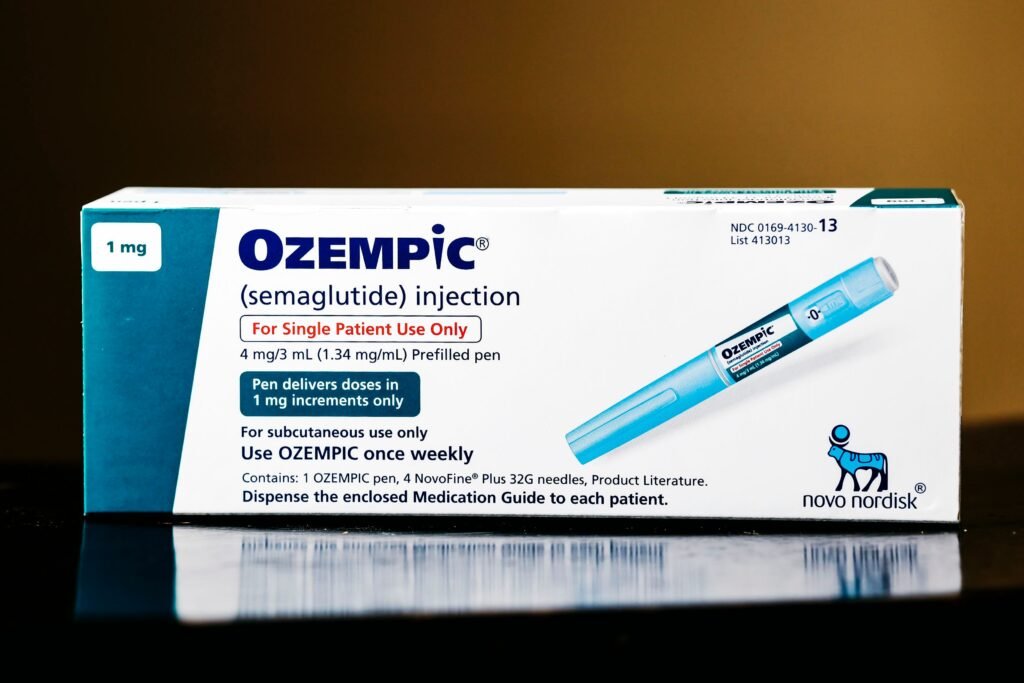
Your provider will determine whether semaglutide (Wegovy), tirzepatide (Zepbound), or an oral option like orforglipron (Foundayo) is most appropriate based on your medical history, weight loss goals, and tolerance for injections versus pills. Tirzepatide targets both GLP-1 and GIP receptors and generally produces greater weight loss than semaglutide, but semaglutide has broader cardiovascular and kidney protection data.
Ongoing Monitoring and Dose Adjustments
Your treatment should include regular check-ins to assess progress, manage side effects, and adjust dosing. The dose titration schedule—typically escalating every 4 weeks—should be flexible enough to accommodate your tolerance. About 40% of patients in the SURMOUNT-1 trial did not tolerate the maximum tirzepatide dose well, so programs that mandate maximum-dose escalation cause more dropouts.
Side Effect Management
Nausea, constipation, diarrhea, and fatigue are common across all GLP-1 medications. Quality programs provide anti-nausea medications, dietary guidance, and clear protocols for when to pause, lower dose, or stop treatment. Common side effects include nausea, vomiting, diarrhea, constipation, and abdominal pain.
FDA-Approved GLP-1 Medications in 2026
Several GLP-1-based medications are now FDA-approved for chronic weight management, with distinct advantages for different patients.
| Medication | Form | Frequency | Key Feature |
|---|---|---|---|
| Wegovy (semaglutide) | Injection | Weekly | Cardiovascular and kidney protection data |
| Wegovy HD | Injection | Weekly | New higher dose (7.2 mg) offering greater weight loss |
| Zepbound (tirzepatide) | Injection | Weekly | Dual GIP/GLP-1 agonist; highest efficacy |
| Foundayo (orforglipron) | Pill | Daily | First oral non-peptide GLP-1; no food/water restrictions |
| Saxenda (liraglutide) | Injection | Daily | Older option with long safety record |
Foundayo (orforglipron) was approved in March 2026 as the first new molecular entity under the FDA's National Priority Voucher Program—approved just 50 days after filing. It is a GLP-1 receptor agonist in tablet form, taken once daily without food or water restrictions.
Wegovy HD was approved in March 2026 as a higher dose (7.2 mg) offering additional average weight reduction compared to previously approved doses, with a safety profile consistent with semaglutide.
What to Look for in a GLP-1 Provider
The U.S. News ratings evaluated platforms across six categories: clinical support, health screening processes, transparency, insurance support, supplemental support, and customer satisfaction. The 11 top-rated platforms included Amazon One Medical, Found, Fridays, Ivim Health, LifeMD, Mochi Health, Noom, PlushCare, Remedy Meds, Ro, and WeightWatchers.
Key quality indicators to look for:
Licensed prescribers with obesity medicine experience — Look for board-certified physicians, nurse practitioners, or physician assistants with specific training in obesity medicine
Thorough intake process — A good program asks about medical history, mental health, eating disorder history, family history of medullary thyroid cancer or MEN2, recent labs, and current medications
Lab requirements — Most quality programs require HbA1c and a basic metabolic panel within 6 to 12 months
Side effect management protocol — A real program tells you when to call, when to pause, when to lower dose, and when to stop
Dose flexibility — Programs that mandate maximum-dose titration cause more dropouts
Red flags to avoid: Providers that are vague about prescriber qualifications, use "wellness coaches" instead of licensed clinicians for medical decisions, promise a prescription before any evaluation, or skip baseline lab work entirely.
What Does GLP-1 Treatment Cost in 2026?
Costs vary significantly depending on whether you use insurance, a manufacturer cash-pay program, or a telehealth membership. Most employer plans (81% of large firms) do not cover GLP-1s for weight loss alone.
| Program Type | Monthly Cost Range | Notes |
|---|---|---|
| Compounded semaglutide/tirzepatide | $179–$499 | Through 503A pharmacies; not FDA-approved as finished products |
| Brand-name cash-pay (LillyDirect, NovoCare) | $149–$499 | FDA-approved; manufacturer direct programs |
| Telehealth membership (medication separate) | $99–$299 | Coaching and clinical support layer |
| Concierge medical programs | $129–$299 + medication | Includes labs, body composition scans, RD coaching |
| Medicare GLP-1 Bridge Program | $50 copay | For eligible beneficiaries through Dec 2027 |
Hidden costs to watch for: Initial consult fees ($49–$129), shipping ($15–$35), syringe and supply fees, and titration step-up surcharges. The transparent programs list the all-in monthly cost on the pricing page.
The Medicare GLP-1 Bridge Program
Medicare Part D still excludes drugs used solely for weight loss, but the Medicare GLP-1 Bridge Program (July 1, 2026 – December 31, 2027) provides temporary access at a $50 monthly copay for eligible beneficiaries.
Eligibility requires ALL of the following:
Enrolled in Medicare Part D
Not already eligible for GLP-1 coverage through Part D for another condition
Age 18+, meeting BMI criteria:
BMI ≥35 with no other health condition
BMI ≥30 with heart failure, uncontrolled hypertension, or chronic kidney disease
BMI ≥27 with prediabetes, previous heart attack, previous stroke, or peripheral artery disease
Important: The Bridge Program operates outside standard Part D—the $50 copay doesn't count toward deductible or out-of-pocket maximums. No appeals process is available.
The Bottom Line
A complete GLP-1 treatment program combines medication access with rigorous clinical oversight, lab monitoring, side effect management, and lifestyle support. The quality of your program matters as much as the medication you choose. Look for licensed prescribers with obesity medicine experience, thorough intake processes, lab requirements, and clear side effect protocols. The 11 U.S. News top-rated platforms offer the strongest combination of clinical support and patient satisfaction.
Always consult with a licensed healthcare provider to determine whether GLP-1 therapy is appropriate for your specific medical situation. Keep your primary care physician informed to align GLP-1 treatment with your long-term health goals
Related projects
- GLP-1 Treatment