
The Safest GLP-1 for Weight Loss: A Clinical Comparison
There is no single "safest" GLP-1 for weight loss—the best choice depends on your personal medical history, risk tolerance, and treatment goals. All GLP-1 receptor agonists share a similar core safety profile, with gastrointestinal side effects being the most common complaint across the entire drug class. The FDA requires a boxed warning on all GLP-1 medications for a potential risk of thyroid C-cell tumors, based on rodent studies, though human data has been largely reassuring.
Here is a clinical comparison of the safety profiles of the leading options.
🧬 Comparing Safety Profiles of Major GLP-1 Medications
| Medication | Common GI Side Effects | Discontinuation Rate (Due to Side Effects) | Unique Safety Considerations |
|---|---|---|---|
| Semaglutide (Wegovy, Ozempic) | Nausea, vomiting, diarrhea, constipation | ~5-7% (typical for class) | Most established safety record. Proven cardiovascular and kidney benefits. A very rare risk of NAION (vision loss) has prompted EMA guidance to discontinue if it occurs. |
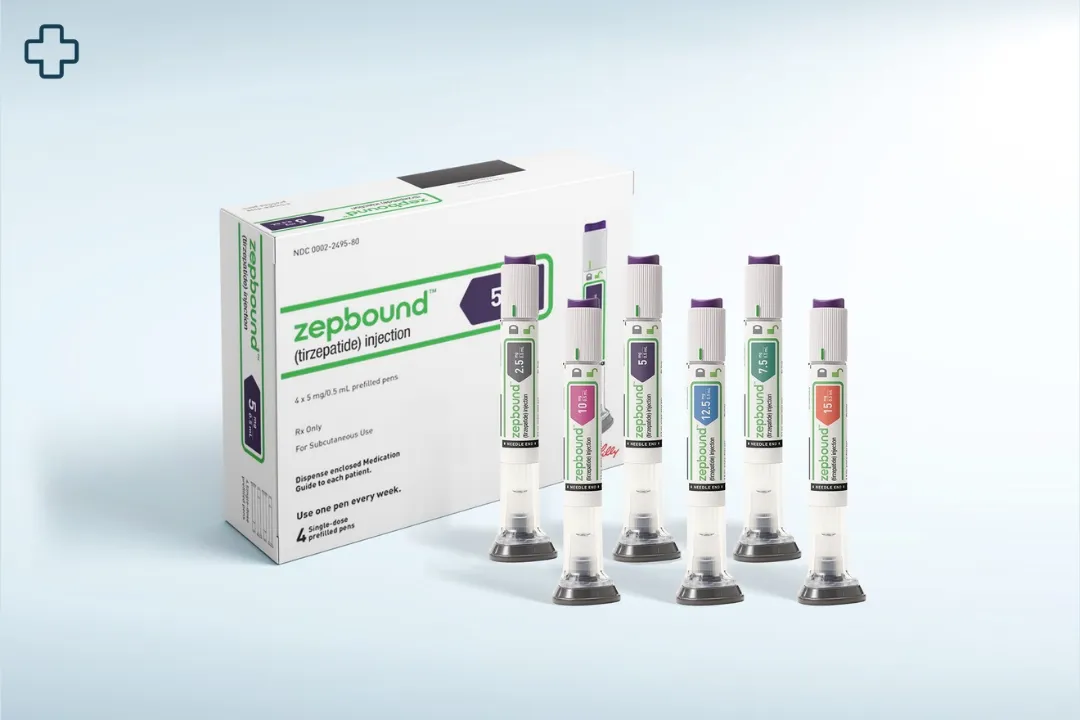
| Tirzepatide (Zepbound, Mounjaro) | Nausea, diarrhea, vomiting, constipation | ~5-10% | Dual GIP/GLP-1 agonist. Similar GI profile to semaglutide. Associated with a lower risk of cholecystitis (gallbladder inflammation) in some analyses compared to other GLP-1s. |
| Liraglutide (Saxenda, Victoza) | Nausea, vomiting, diarrhea, constipation | Higher rates than weekly options (due to daily injection) | Older GLP-1 with a longer safety track record. Generally considered slightly less effective than semaglutide or tirzepatide, but still effective. |
| Orforglipron (Foundayo) | Nausea, constipation, diarrhea, vomiting, dyspepsia | ~5-10% (from ATTAIN-1 trial) | First oral non-peptide GLP-1. Safety profile is consistent with injectables. Higher doses caused more GI side effects during dose escalation. No food/water restrictions. |
🔬 Key Safety Data from Clinical Trials
Orforglipron (ATTAIN-1 Trial): In a 72-week trial, gastrointestinal adverse events occurred in 60-69% of participants taking orforglipron (depending on dose) versus 37% on placebo. Most were mild to moderate, and the incidence decreased over time. Treatment discontinuation due to adverse events was 5.1-10.3% for orforglipron versus 2.6% for placebo.
Tirzepatide vs. Semaglutide: A network meta-analysis of 27 trials involving over 15,000 patients found no significant difference in the incidence of serious adverse events or adverse event withdrawal between different GLP-1 medications.
General GLP-1 Class: A systematic review confirmed that while nausea is the most common side effect, other frequent complaints include vomiting, diarrhea, and constipation. Concerns about pancreatitis and thyroid cancer have been raised, but meta-analyses have failed to confirm a cause-effect relationship.
⚠️ Understanding the Boxed Warning and Contraindications
All GLP-1 medications carry a boxed warning for thyroid C-cell tumors based on findings in rodents. Because of this, they are contraindicated in patients with a personal or family history of medullary thyroid carcinoma (MTC) or Multiple Endocrine Neoplasia syndrome type 2 (MEN 2).
You should not use GLP-1 medications if you:
Have a history of pancreatitis
Have severe gastrointestinal disease (e.g., gastroparesis)
Are pregnant or breastfeeding
Have a history of diabetic retinopathy (for semaglutide, due to risk of worsening)
💡 Clinical Bottom Line
The "safest" GLP-1 is the one that is most appropriate for your specific medical situation. For a patient with established heart disease, semaglutide may be the safest choice due to its proven cardiovascular benefits. For a patient who wants to avoid injections, orforglipron offers a safety profile consistent with the class. For a patient with a history of gallbladder issues, tirzepatide may be a better option.
Always discuss your full medical history with a licensed healthcare provider before starting any GLP-1 medication.
Related projects
- GLP-1 Comparisons